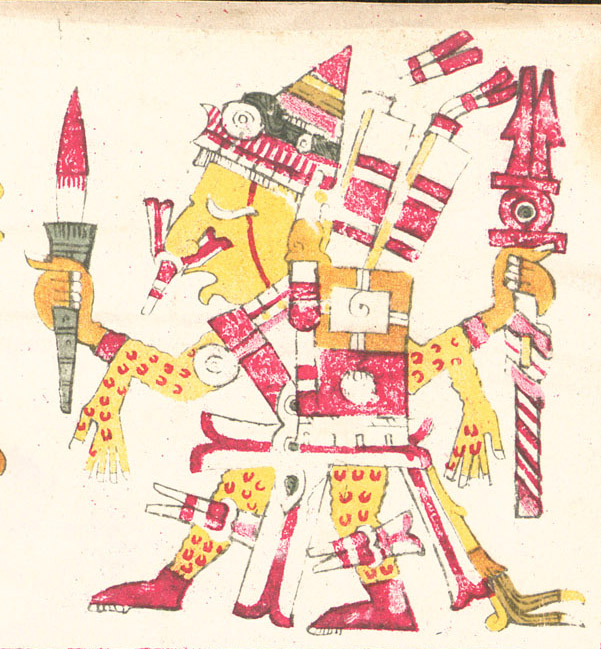
by Will Katerberg My blood is about 2.5 percent Neanderthal and 1.8 percent Denisovan. My colleagues and wife say they’re not surprised. The evidence indicates, however, that all non-Africans are about 2 percent Neanderthal and just under 2 percent Denisovan. These discoveries are fascinating stories, and they have been a challenge for scientists and theologians. …
The Christian Historian, the Bible, and “Secular” History
Part 3 of the Integration of Faith & History in the Classroom series by Dan Miller. For me as a Christian believer as well as a historian, the Bible represents a bit of a conundrum. While it is relatively easy to see that the beginning chapters of Genesis and the concluding chapters of Revelation are “poetic” …
Continue reading The Christian Historian, the Bible, and “Secular” History
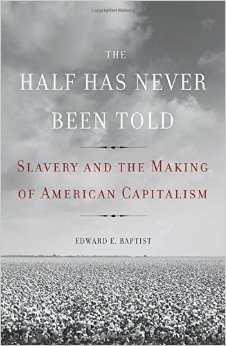
The Half Has Never Been Told
by Jim Bratt. From time to time I like to use this blog to air out some conversation, or combat, going on inside the guild of American historians. The arguments never stop, with the happy consequence that we members of the profession are kept in work. But sometimes things get tiresome. That’s the case with …
Laugh or Cry?
by Doug Howard. Just so you know, Aamer Rahman apologized for Islam last Friday night. Also—in advance—for daring to tell jokes about terrorism. You can’t be too careful these days. In his show at the Calvin College CFAC, the Australian comedian, who is of Bangladeshi Muslim descent, gingerly felt his way around and through American …
Book Note: The Good of Politics by James Skillen
by Dan Miller. James Skillen thinks that most Christians have an impoverished view of politics, regarding it as a necessary evil in a fallen world. Skillen wants them to think of it as something inherently good, an essential part of the social order like families and churches. He notes that while politics can be corrupt …
Continue reading Book Note: The Good of Politics by James Skillen
Learning Communities
by Will Katerberg Every year I teach a section of the history department's capstone course on historiography. The most basic questions in the course are: What is the nature of historical knowledge? Is objectivity possible? Is it necessarily desirable? How does historical thinking work? What is the purpose of historical study? To understand the world? To …