Dr. Eric Washington
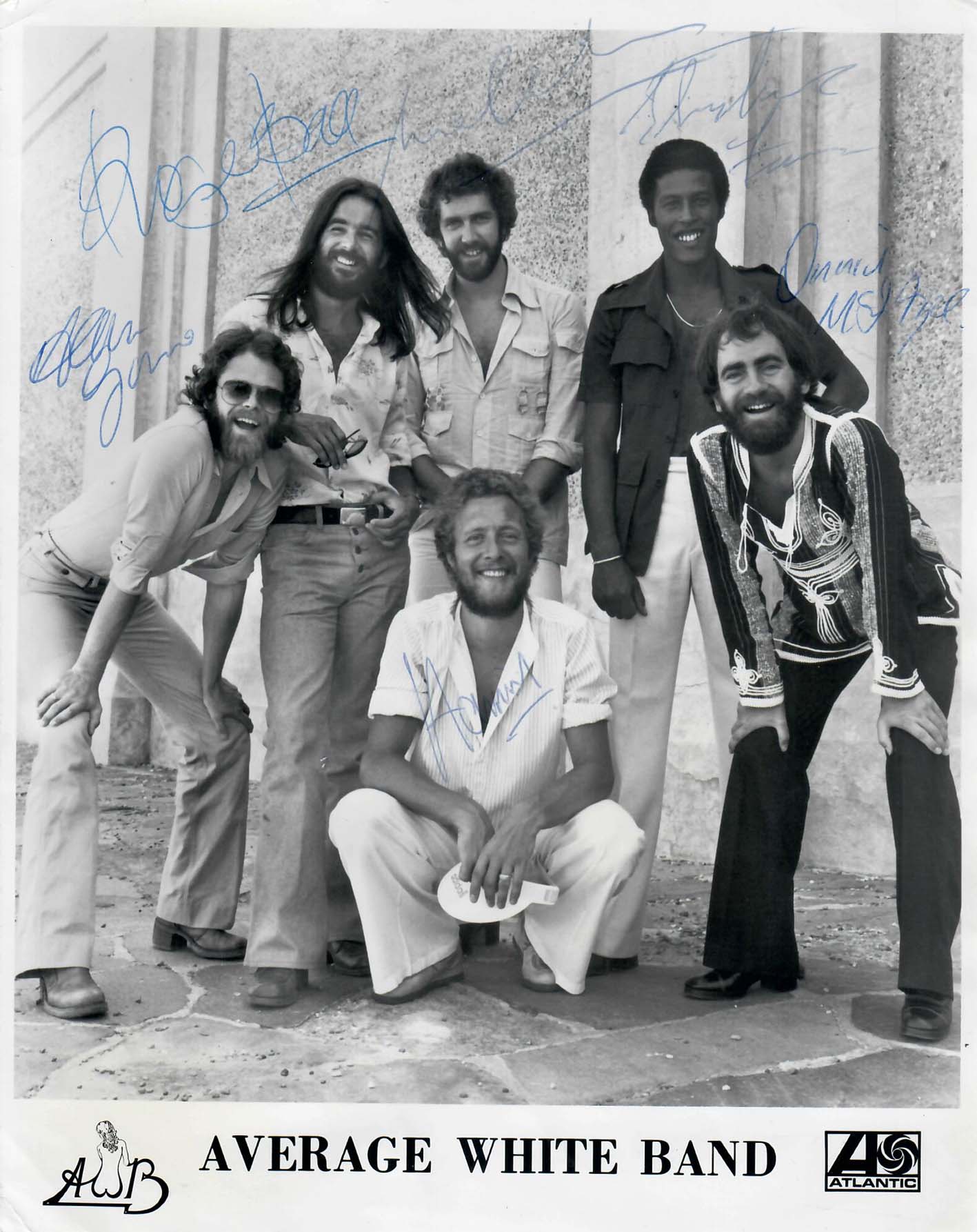
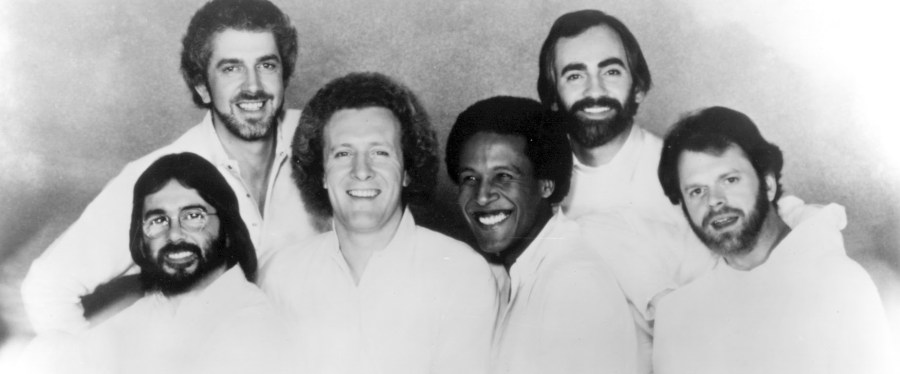
“Music, Sweet Music, You’re the Queen of My Soul,” sang Hamish Stuart in a soaring falsetto back in 1976. Stuart was one of the lead singers of the Average White Band, a group that consisted of musicians from Scotland and England. The name of the group is ironic as they played funk and R&B, not the typical genre played by white bands in the UK at the time. There was another bit of irony in the name of the Average White Band. Their drummer during the 1970s was a man from England, named Steve Ferrone, who was Black. I found this out by looking at my sister’s album and peering at the album sleeve dotted with all kinds of quirky photos of the band. Steve Ferrone was my introduction to Black Britain.
Every October is Black History Month UK. It goes without question that this is an important month for the 2.5 million people who identify as Black and reside in the UK. But this is also an important month for people who are African and African-descended. The history of Black Britain is interconnected to other histories, which makes it so vital. It is connected to African, Caribbean, and North American histories. It rounds out and complicates these histories. For Black people in the Americas, there are familial connections that cannot be ignored or minimized.
This brief blog piece is not about recounting a list of Black British firsts and commendations. That approach to history serves a purpose, but it fails to offer scholars and lay historians the much-needed complexity and contextualization needed in engaging in this history. What follows are just a few of the interconnections to other histories that a study of Black British history reveals.
African History
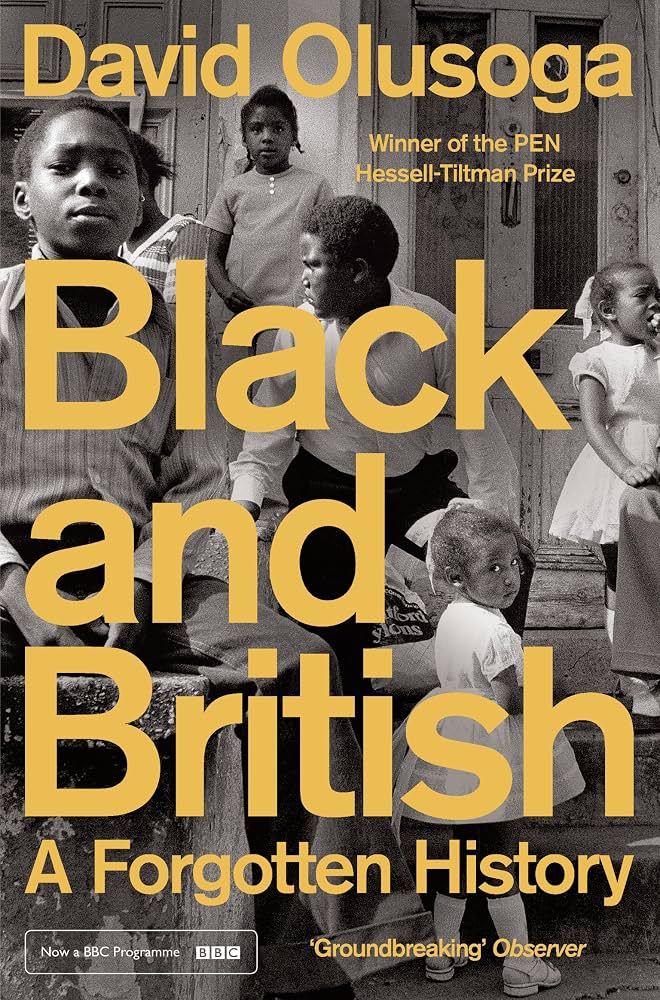
According to historian David Olusoga in Black and British: A Forgotten History, there were “Afro-Romans” living in York, England beginning in the Third Century C.E. Olusoga makes it clear that these Afro-Romans were not just “North Africans”; some were from West Africa. Some of these African people were members of Roman Regiments, but some had migrated to Roman Britain for other reasons.
North American History
There are key connections between North American history and Black British history; too many to write about here. One of the most important events in British and North American history pertaining to slavery and abolition is the Somerset Decision of 1772. This decision involved an enslaved man, James Somerset, who was born in Africa and enslaved in Virginia. His owner, Charles Stewart, took Somerset to London on a business trip. Somerset took the opportunity to seize his natural right to freedom. Eventually, slave catchers found Somerset and placed him on a ship bound to the Caribbean. Granville Sharp, an influential friend to Black people in London, managed to obtain a habeas corpus on behalf of Somerset. This case went before Lord Mansfield, who declared that since there was no “positive law” for slavery in England, Somerset or any other enslaved person in England had the right to remain there. Enslaved persons in England and in the British colonies celebrated this decision; yet it was never intended to abolish slavery in the British colonies.
Caribbean History
In recent years, there has been a vital yet controversial connection between Black British history and Caribbean history. This connection centers on the issue of reparations for slavery. In 1833, Parliament passed the Slavery Abolition Act that stipulated slavery’s end throughout the British empire, effective August 1, 1834. Part of the act included that Great Britain pay slave owners £20,000, which was approximately $35,700,000 (USD). The formerly enslaved received not one shilling. To make this even more astounding, the Slavery Abolition Act determined that the formerly enslaved would work as “apprentices” on the land in which they labored as enslaved people for free.
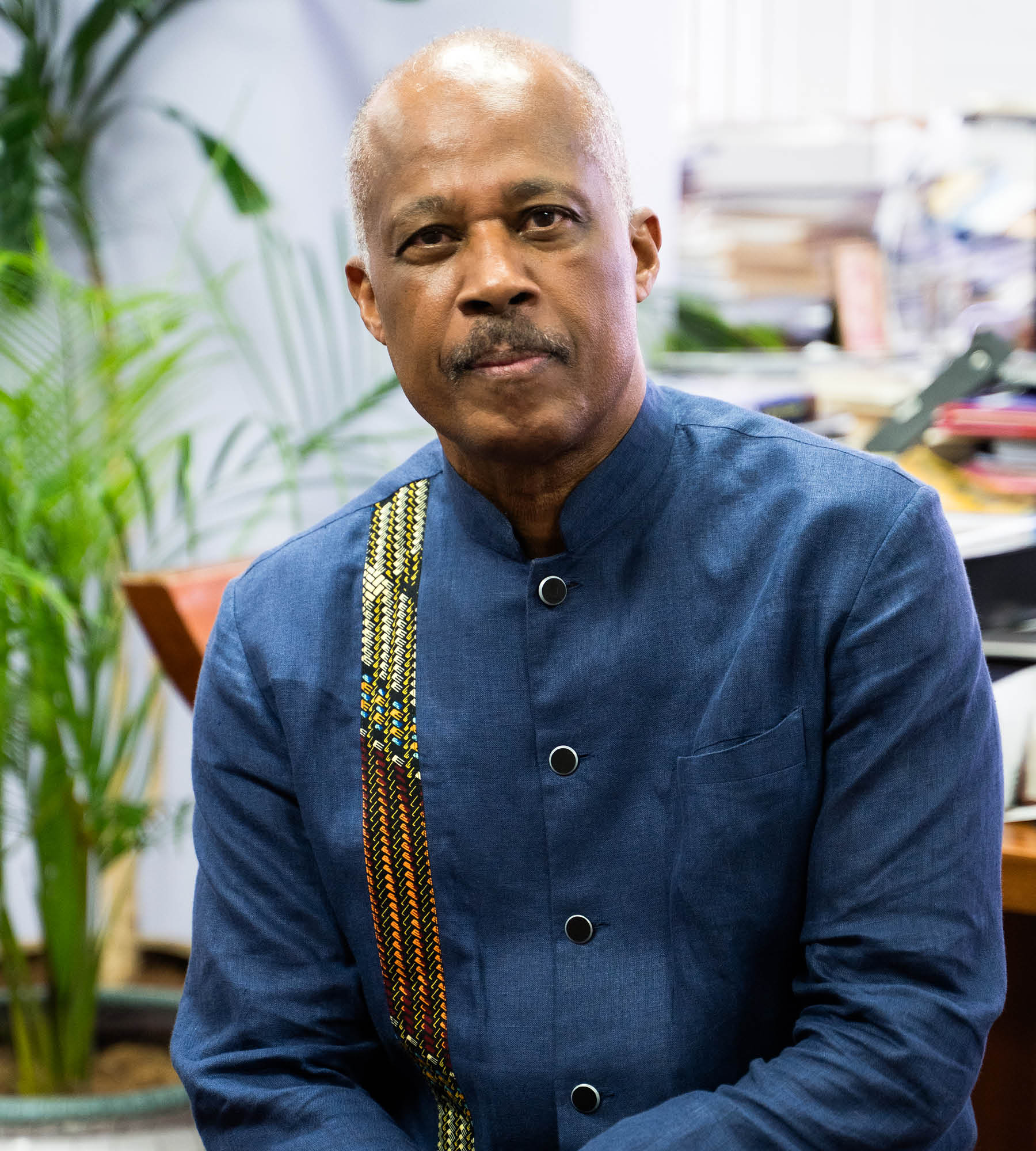
The Caribbean Community (CARICOM), which is a regional intergovernmental organization of Caribbean states and territories (territories are associate members only), initiated the Caribbean Reparations Committee (CRC) in 2013 to demand reparations from European governments for centuries of slavery in the region. One person who has played an integral role in the CRC is Sir Hilary Beckles, a renowned historian and university administrator. In his 2013 book, Britain’s Black Debt, the fundamental argument for reparations is the barbarity of slavery in the British Caribbean and the fact that Britain compensated owners of enslaved people. Beckles also argued that the transatlantic slave trade and slavery in the Americas are crimes against humanity. Because of this, the descendants of the enslaved who still suffer ill economic and social effects of slavery have a reparatory case against Great Britain. In October 2025 (just in time for Black History Month UK), British comedian and actor Sir Lenny Henry and British journalist Marcus Ryder published The Big Payback: The Case for Reparation for Slavery and How They Would Work. Though not on the scholarly level as Beckles’ book, this work written to a popular audience uses Beckles’ argument and has a wider reach.
Back to Music
Steve Ferrone would not be the only Black British musician I would follow. During the 1980s, I would be introduced to Black British groups and artists such as Imagination, Junior, Loose Ends, Five Star, Steel Pulse, and so many more. These artists produced great music during a difficult era for Black Britons. Racial tension in the UK ignited the Brixton uprising and the Liverpool 8 uprising in 1981. These occurred within a context of racism stemming from groups like the National Front who wanted Britain to be a white nation and whose members perpetrated violence against Black Britons. Given that context, the R&B, Funk, Reggae, and Ska produced by Black artists during this period of Black British history makes it even more important to learn this history that has so many connections to Global History.
Eric Michael Washington is professor of history and director of Africana Studies at Calvin University. He is primarily interested in studying the African American church from its development in the late 18th century through the 19th century, and individual Christians, primarily Calvinists. He also has a growing academic interest in the “Black and Reformed” movement in North America.


